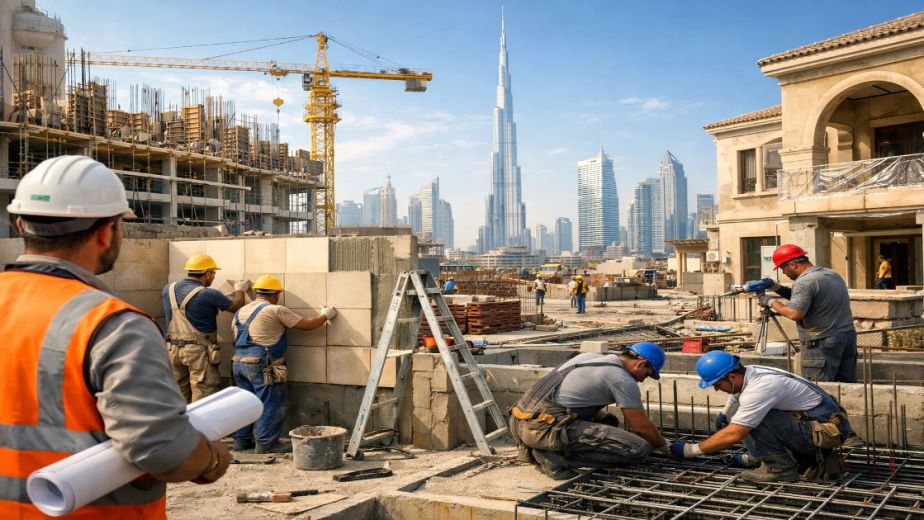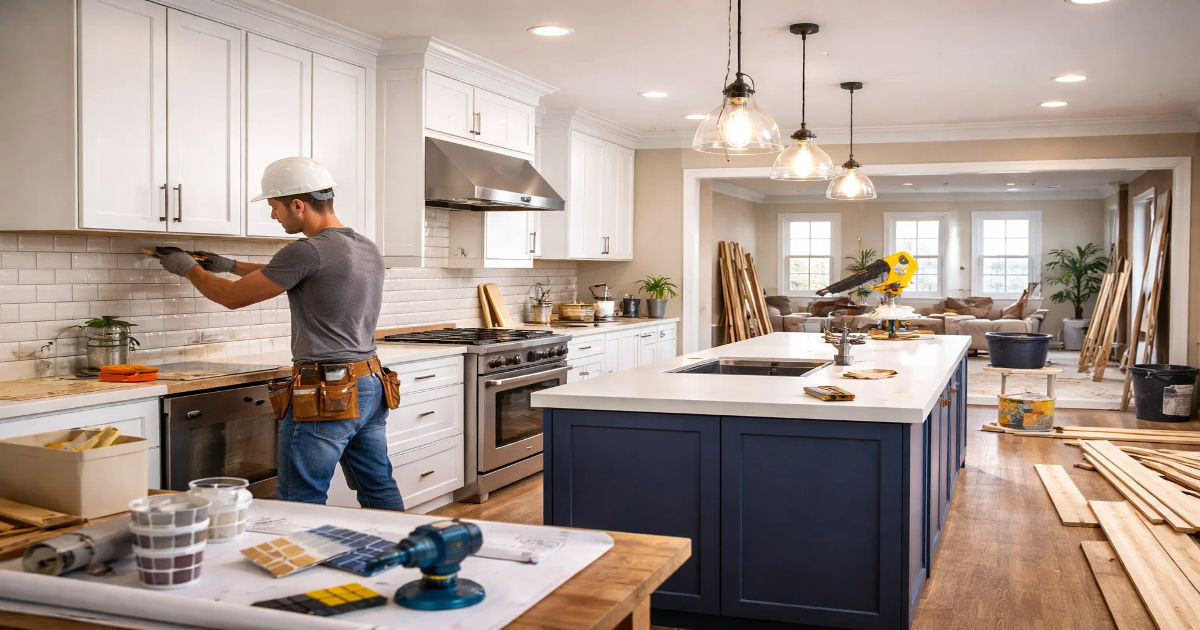
Construction-focused renovation has become a cornerstone of modern property improvement. Whether it’s upgrading a residential home, transforming a commercial space, or restoring aging infrastructure, smart renovation improves functionality, safety, and long-term value. Today’s renovation decisions are no longer cosmetic; they are strategic investments driven by structural integrity, energy efficiency, and future usability.
According to industry benchmarks, renovated properties can increase resale value by 15–25%, depending on scope and material quality. This makes renovation a practical choice for property owners who want lasting returns without starting from scratch.
Understanding the Difference Between Renovation and Remodeling
Although often used interchangeably, renovation and remodeling serve different construction purposes.
- Renovation focuses on repairing, upgrading, or restoring existing structures
- Remodeling involves altering layouts, structure, or functionality
In construction projects, this distinction is crucial for budgeting, permits, and timelines. Renovation usually preserves the original framework, while remodeling may require structural engineering input.
| Aspect | Renovation | Remodeling |
| Structural Changes | Minimal | Significant |
| Cost Range | Moderate | Higher |
| Permits Required | Limited | Often Required |
| Timeline | Shorter | Longer |
Understanding this difference ensures better planning and compliance with local building regulations.
Why Renovation & Remodling Is Growing in the Construction Industry
The global construction sector is witnessing a surge in renovation demand due to rising material costs and urban space limitations. Instead of new builds, property owners prefer improving existing structures.
Key drivers include:
- Aging buildings needing safety upgrades
- Increased focus on energy-efficient construction
- Higher property prices in urban areas
- Sustainability and reduced construction waste
Real estate reports show that renovation projects account for over 55% of residential construction spending in developed markets, reflecting a strong shift toward smarter reuse of structures.
Structural Safety and Compliance in Renovation Projects
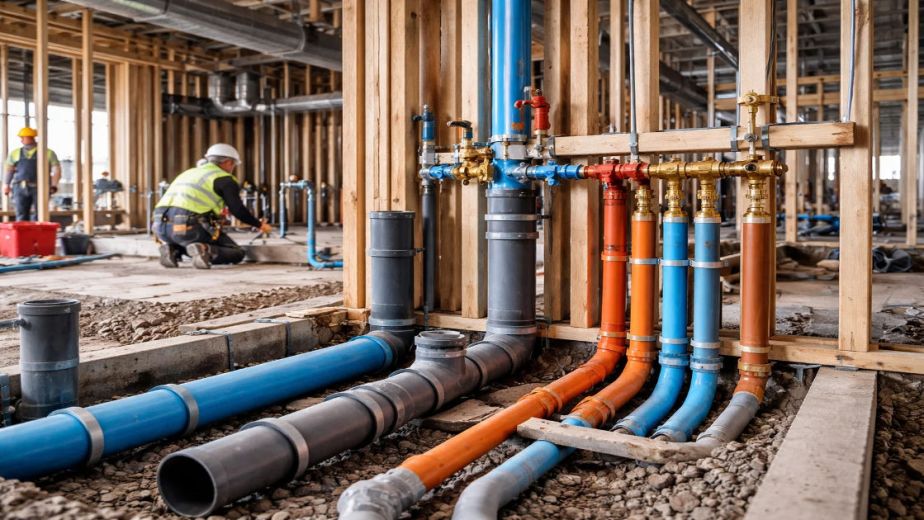
A successful renovation always starts with safety. Load-bearing walls, foundations, electrical systems, and plumbing must meet current building codes. Skipping professional inspections can result in costly rework or legal complications.
Important safety checks include:
- Structural load analysis
- Electrical wiring standards
- Plumbing pressure and leakage testing
- Fire safety and insulation compliance
Hiring licensed contractors and engineers ensures the renovation meets both safety and municipal requirements, protecting occupants and long-term property value.
Data-Driven Planning for Cost and Timeline Accuracy
Modern construction renovation relies heavily on data-backed planning. Budget overruns are one of the most common renovation challenges, often caused by poor assessment or material price fluctuations.
Industry data suggests:
- Detailed pre-project assessments reduce cost overruns by 30%
- Material forecasting lowers delays by 20%
Key planning elements:
- Digital floor measurements
- Material quantity estimation
- Labor scheduling
- Risk buffer allocation
Accurate planning builds trust between contractors and clients while ensuring transparency throughout the project.
Sustainable Renovation & Remodling for Long-Term Value
Sustainability has become a priority in construction renovation. Energy-efficient materials and eco-friendly systems not only reduce environmental impact but also lower operating costs.
Popular sustainable upgrades include:
- Thermal insulation and double-glazed windows
- Solar-ready roofing structures
- Water-efficient plumbing systems
- Low-VOC paints and recycled materials
Green renovation projects can reduce energy costs by 20–40% annually, making them financially attractive and environmentally responsible.
Choosing the Right Materials and Construction Techniques
Material selection directly impacts durability and maintenance costs. High-quality materials might cost more upfront but save money over time through reduced repairs.
Best practices include:
- Moisture-resistant flooring for longevity
- Steel-reinforced concrete for structural upgrades
- Anti-corrosion plumbing materials
- Weather-resistant exterior finishes
Using tested construction techniques and certified materials ensures performance under real-world conditions.
Working with Experienced Renovation Professionals
Expertise plays a major role in renovation success. Experienced professionals bring practical knowledge, problem-solving skills, and regulatory understanding.
When selecting contractors, look for:
- Proven project portfolio
- Licensed and insured teams
- Transparent pricing models
- Clear communication processes
Trustworthy professionals minimize risks and deliver consistent quality, reinforcing confidence throughout the renovation journey.
Conclusion
Renovation projects are no longer just about improving appearance they are about building safer, smarter, and more efficient spaces. With proper planning, expert execution, and data-backed decisions, Renovation & Remodling becomes a powerful construction strategy that enhances property value, functionality, and sustainability. Investing in quality materials, skilled professionals, and compliant processes ensures long-term benefits and lasting peace of mind.
Frequently Asked Questions (FAQs)
1. How long does a typical renovation project take?
Most residential renovation projects take between 4 to 12 weeks, depending on complexity and structural changes.
2. Is renovation cheaper than new construction?
Yes, renovation generally costs 30–50% less than building a new structure while offering similar functional improvements.
3. Do renovation projects require permits?
Minor renovations may not, but structural, electrical, or plumbing changes usually require local authority approval.
4. How can I control renovation costs?
Detailed planning, fixed contracts, material forecasting, and hiring experienced professionals help prevent budget overruns.
5. Are sustainable renovations worth the investment?
Absolutely. Energy-efficient renovations lower utility bills, improve comfort, and increase property resale value over time.