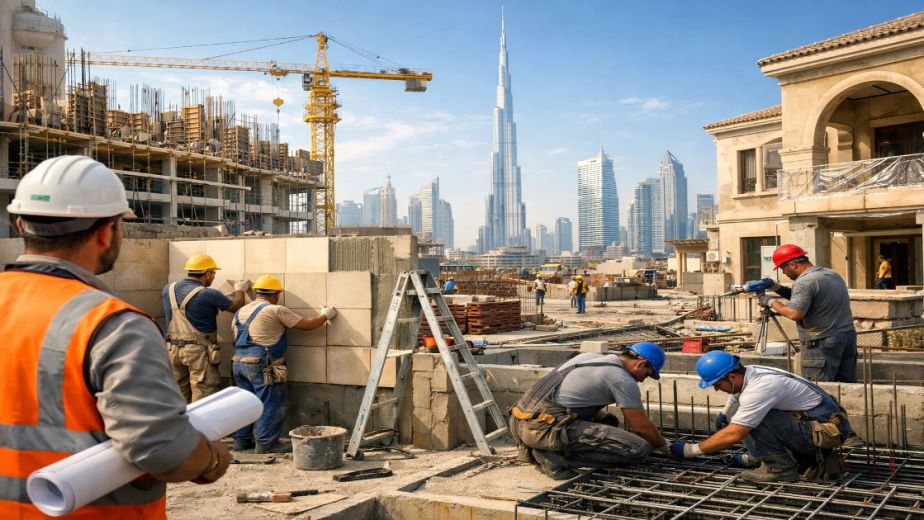
In today’s construction and renovation industry, Plumbing & Sanitary Works play a foundational role in ensuring safety, hygiene, comfort, and long-term building performance. From residential homes to commercial complexes, a well-planned plumbing system directly affects water efficiency, health standards, and property value. With rising urban development and stricter building regulations, professional plumbing solutions are no longer optional they are essential.
Understanding the Scope of Plumbing and Sanitary Systems
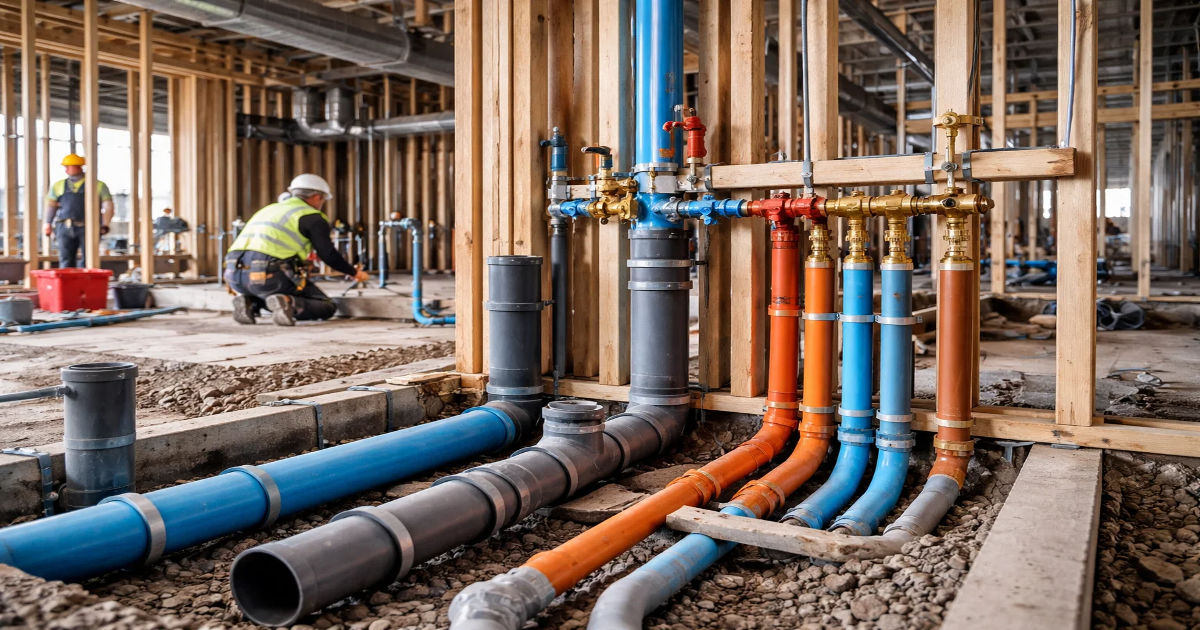
Plumbing and sanitary systems cover a wide range of installations that manage water supply, drainage, and waste disposal. These systems include potable water lines, sewer networks, rainwater drainage, and sanitary fixtures such as toilets, sinks, and floor drains. In construction projects, these systems must be designed early to integrate smoothly with architectural and structural elements.
A properly executed system ensures:
- Continuous water flow without pressure loss
- Safe removal of wastewater
- Protection against leaks and contamination
Role of Plumbing Systems in Construction Projects
During new construction, Plumbing & Sanitary Works are installed in phases, beginning with underground piping and progressing to internal fixture fittings. According to construction industry benchmarks, plumbing accounts for nearly 15–20% of total buildingcosts, making it one of the most significant technical components.
Poor planning at this stage can result in:
- Costly rework
- Structural damage due to leaks
- Code compliance failures
That’s why experienced engineers and certified plumbers are involved from the design phase to final commissioning.
Importance of Sanitary Works in Renovation Projects
Renovation projects come with unique challenges, especially when upgrading outdated sanitary systems. Older buildings often have corroded pipes, inefficient layouts, and non-compliant drainage systems. Renovation-focused sanitary work improves hygiene standards while enhancing water efficiency.
Key renovation upgrades include:
- Replacement of galvanized pipes with PPR or CPVC
- Installation of water-saving fixtures
- Improved sewer ventilation systems
These upgrades not only meet modern standards but also reduce long-term maintenance costs.
Materials and Technologies Used in Modern Plumbing
Advancements in materials have transformed plumbing efficiency and durability. Modern construction now relies on corrosion-resistant, flexible, and long-lasting materials.
| Material | Common Use | Key Benefit |
| PPR Pipes | Hot & cold water | Long lifespan, heat resistance |
| UPVC | Drainage systems | Lightweight, corrosion-proof |
| CPVC | High-pressure lines | Chemical resistance |
| HDPE | Underground piping | Leak-free joints |
Smart plumbing technologies such as leak detection sensors and pressure regulators are also gaining popularity in high-end projects.
Compliance, Standards, and Safety Measures
In regulated construction environments, Plumbing & Sanitary Works must comply with local building codes, health regulations, and environmental guidelines. In many regions, inspections are mandatory at multiple stages to ensure proper slope, joint integrity, and ventilation.
Safety and compliance measures include:
- Backflow prevention systems
- Proper pipe insulation
- Vent pipe installation to prevent sewer gases
Following standards not only avoids legal issues but also builds trust with clients and authorities.
Common Plumbing Challenges and How Experts Solve Them
Even well-designed systems face challenges during execution. Common issues include improper pipe gradients, water pressure imbalance, and leakage at joints. Skilled professionals use pressure testing, CCTV drain inspections, and hydraulic calculations to eliminate these risks.
Expert-led plumbing teams rely on:
- Detailed shop drawings
- On-site supervision
- Quality control testing
This practical experience ensures systems perform reliably under real-life conditions.
Why Professional Plumbing Services Matter
Hiring qualified plumbing contractors ensures workmanship that lasts decades. Experienced professionals bring technical expertise, on-site experience, and accountability key elements of Google’s EEAT framework.
Professional services provide:
- Accurate system design
- Use of certified materials
- Warranty-backed installations
This level of authority and trust is essential for both residential and commercial stakeholders.
Conclusion
In any construction or renovation project, Plumbing & Sanitary Works are not just technical requirements they are investments in health, efficiency, and building longevity. From smart material selection to strict compliance and expert execution, a reliable plumbing system protects occupants and enhances property value. Choosing experienced professionals ensures peace of mind, regulatory compliance, and long-term performance.
FAQs
Q1: How long do plumbing systems last in modern buildings?
With quality materials and proper installation, modern plumbing systems can last 30–50 years.
Q2: Is plumbing planning necessary before construction starts?
Yes, early planning prevents layout conflicts and reduces future repair costs.
Q3: Can old sanitary systems be upgraded during renovation?
Absolutely. Most renovations focus on replacing outdated pipes and improving drainage efficiency.
Q4: What are signs of poor plumbing installation?
Frequent leaks, low water pressure, bad odors, and slow drainage are common indicators.
Q5: Do plumbing works affect building resale value?
Yes, efficient and compliant plumbing significantly increases property value and buyer confidence.