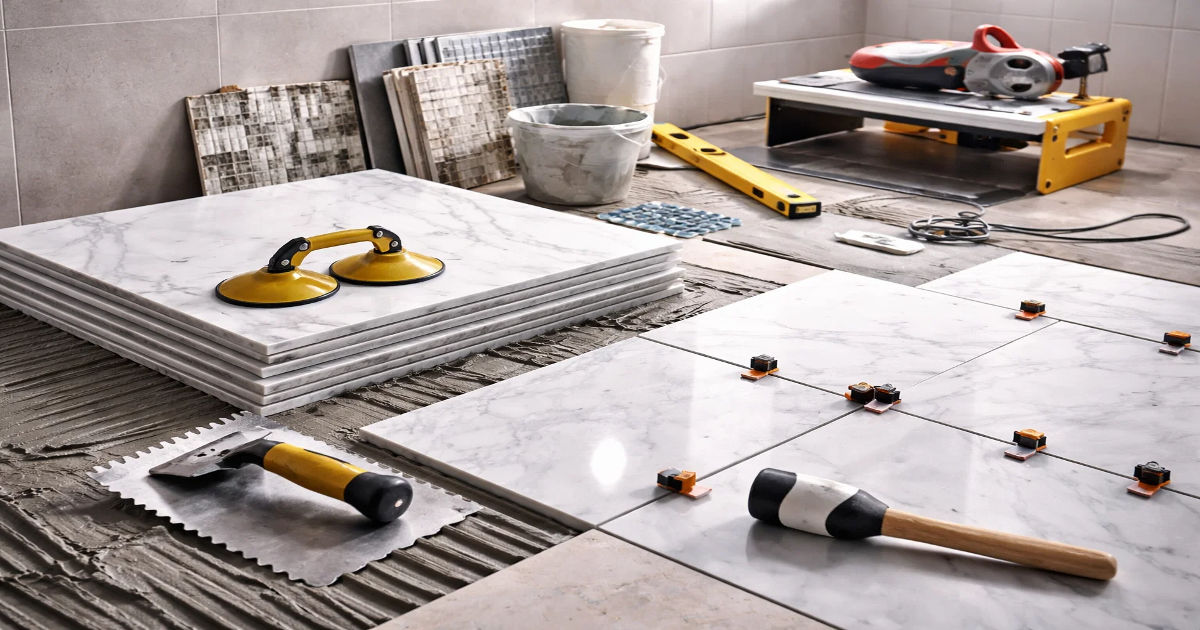
In today’s construction and renovation industry, Tiling & Marble Works play a crucial role in defining both durability and visual appeal. From residential homes to large commercial spaces, the right tiling and marble solutions enhance property value, improve functionality, and create long-lasting impressions. With advancements in materials, installation techniques, and design trends, choosing the right approach has never been more important.
Understanding the Importance of Quality Surface Finishes
Surface finishing is more than just aesthetics it directly impacts safety, maintenance, and longevity. High-quality tiles and marble surfaces resist moisture, stains, and wear, making them ideal for kitchens, bathrooms, hallways, and outdoor areas.
According to construction industry data, properties with professionally installed floor and wall finishes experience up to 18–25% higher resale value, especially in urban real estate markets. This makes informed material selection a smart long-term investment.
Types of Tiles and Marble Used in Construction Projects
Construction professionals select materials based on usage, climate, and load requirements. Common options include:
- Ceramic & Porcelain Tiles – Cost-effective, water-resistant, and ideal for high-traffic areas
- Natural Marble – Luxurious appearance, commonly used in living rooms and staircases
- Granite Tiles – Extremely durable, suitable for commercial flooring
- Travertine & Limestone – Popular for outdoor and landscape renovation projects
Each material differs in porosity, hardness, and maintenance needs, which directly affects performance over time.
Tiling & Marble Works in Residential and Commercial Renovation
In renovation projects, precision matters more than material cost. Uneven surfaces, poor adhesive application, or incorrect grout spacing can lead to cracks and water seepage.
Professional Tiling & Marble Works ensure:
- Accurate surface leveling
- Proper expansion joints
- Moisture-resistant adhesives
- Clean finishing and edge alignment
For commercial renovations such as offices, malls, and hotels anti-slip tiles and load-bearing marble slabs are essential for safety compliance.
Installation Process: From Site Preparation to Final Polishing
A professional installation follows a structured process:
- Surface inspection and leveling
- Material layout planning
- Adhesive and mortar application
- Tile or marble placement
- Grouting and joint sealing
- Final polishing and cleaning
Skipping any of these steps often results in uneven flooring or early damage. Skilled workmanship ensures structural stability and visual consistency.
Cost Factors and Budget Planning in Tiling Projects
Costs vary depending on material type, labor skill, and project complexity. Below is a general cost comparison table used in renovation planning:
| Material Type | Durability | Maintenance Level | Cost Range (Per Sq. Ft.) |
| Ceramic Tile | Medium | Low | Affordable |
| Porcelain Tile | High | Very Low | Medium |
| Marble | High | Medium | Premium |
| Granite | Very High | Low | Premium |
Experienced contractors help optimize budgets by reducing material wastage and preventing rework.
Why Tiling & Marble Works Require Skilled Professionals
While DIY solutions may look tempting, improper installation often leads to costly repairs. Professional Tiling & Marble Works specialists bring:
- Hands-on industry experience
- Knowledge of material behavior
- Compliance with building standards
- Precision cutting and alignment skills
Trusted contractors also provide warranties, which adds an extra layer of confidence and long-term value.
Maintenance and Longevity of Tiled and Marble Surfaces
Regular maintenance significantly extends surface life. Recommended practices include:
- Using pH-neutral cleaners
- Sealing marble surfaces annually
- Avoiding abrasive tools
- Prompt stain removal
Industry maintenance reports show that well-maintained marble flooring can last over 50 years without structural issues.
Modern Design Trends in Flooring and Wall Finishes
Current construction trends focus on functionality with elegance. Popular choices include:
- Large-format tiles for seamless looks
- Matte finishes for slip resistance
- Natural stone patterns
- Minimal grout lines
These trends not only enhance visual appeal but also improve cleaning efficiency and durability.
Conclusion
Choosing the right materials and professionals for Tiling & Marble Works is a strategic decision that affects durability, aesthetics, and property value. Whether for new construction or renovation, investing in expert craftsmanship ensures long-term performance, safety, and timeless design. With proper planning, quality materials, and skilled execution, tiled and marble surfaces remain a reliable foundation for modern living.
Frequently Asked Questions (FAQs)
Q1: Which is better for high-traffic areas tiles or marble?
Porcelain and granite tiles are better for high-traffic areas due to higher wear resistance.
Q2: How long does professional tiling installation take?
Most residential projects are completed within 2–5 days, depending on area size.
Q3: Is marble suitable for kitchens?
Yes, but it requires sealing and careful maintenance due to its porous nature.
Q4: How often should marble flooring be polished?
Polishing is recommended every 12–18 months for best appearance and protection.
Q5: Can old tiles be replaced without breaking the entire floor?
In many cases, selective tile replacement is possible after surface assessment.